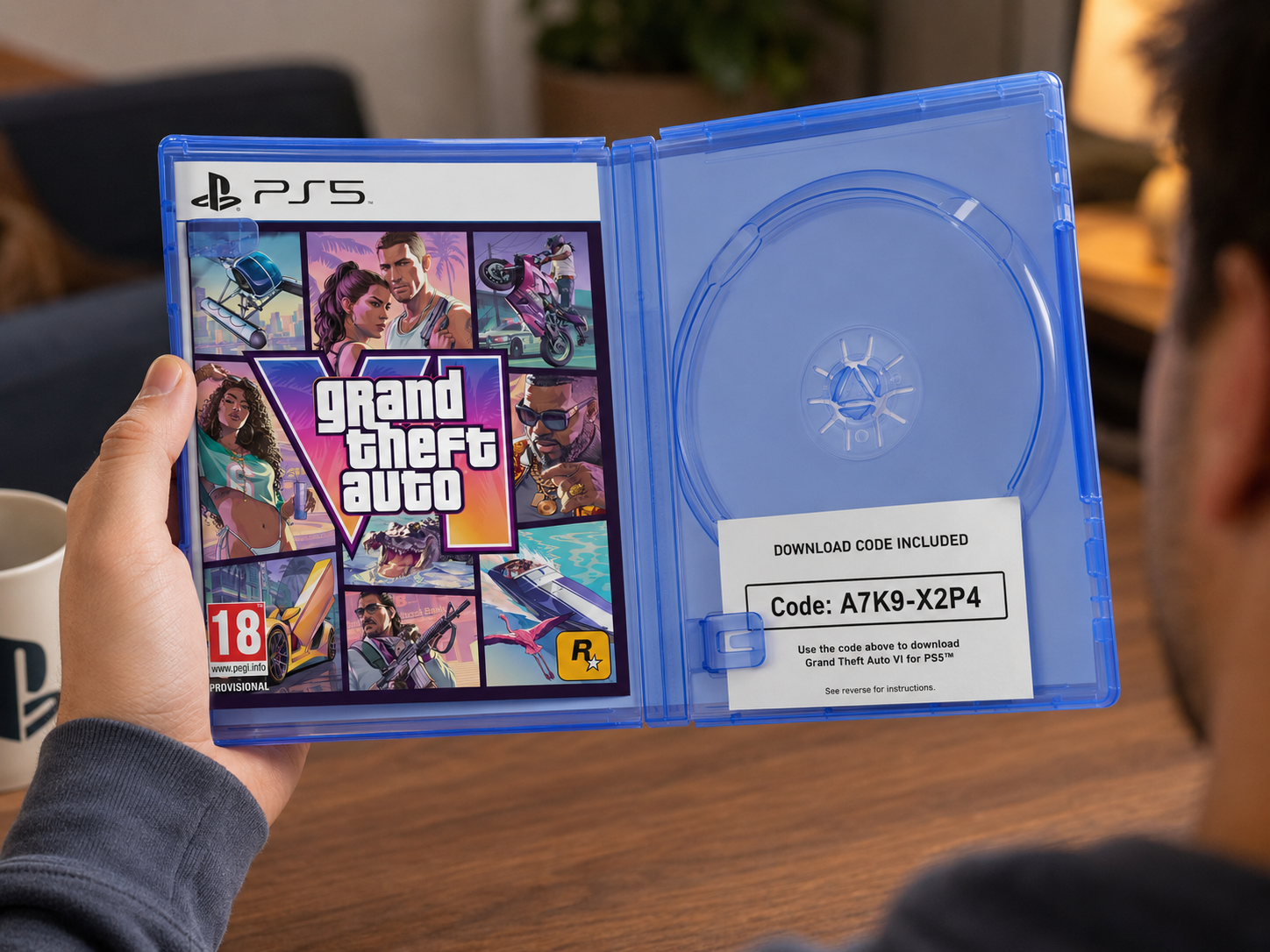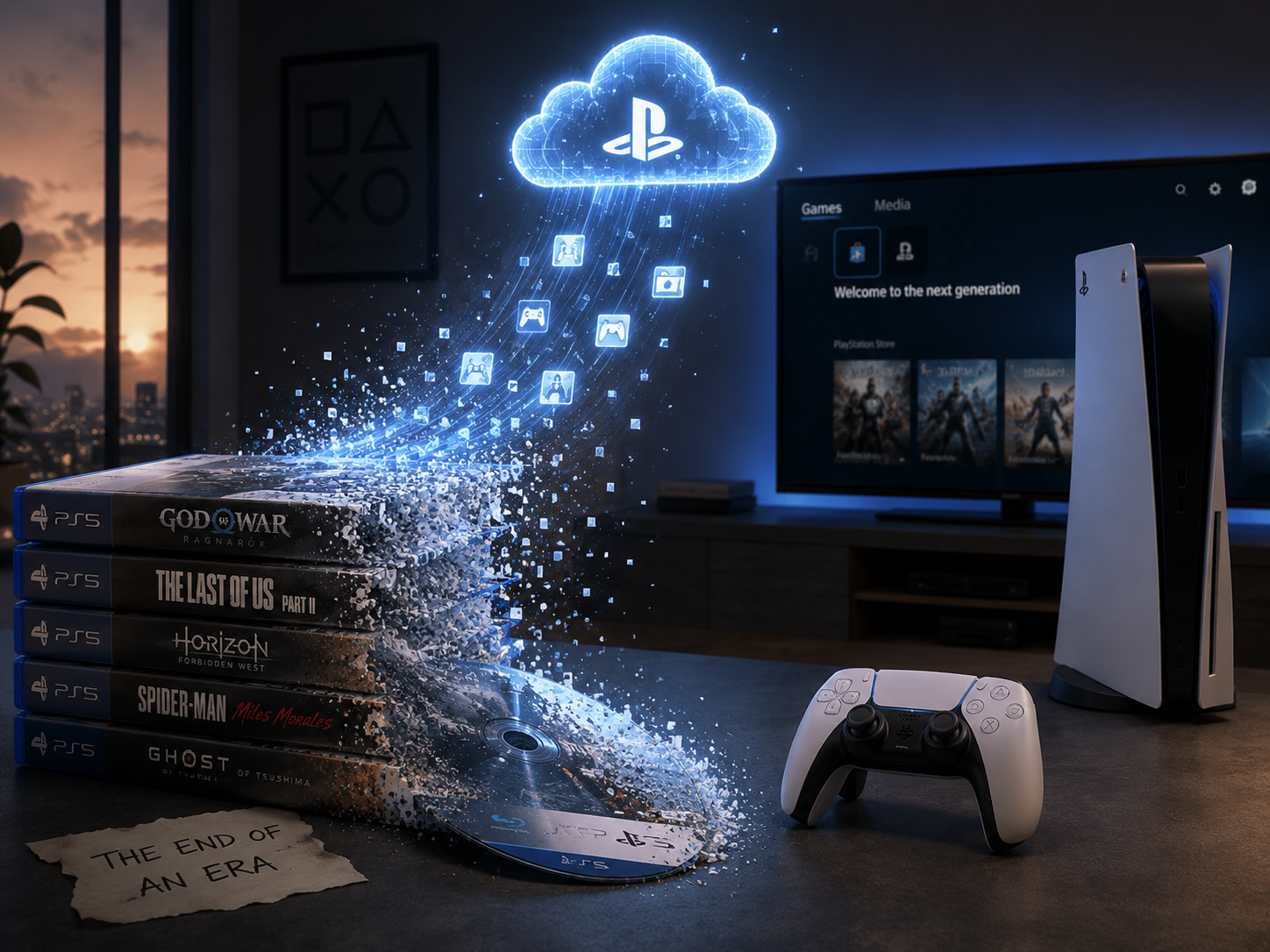
On July 1, 2026, Sony Interactive Entertainment announced that physical disc production for new games releasing on PlayStation consoles will end in January 2028. After that date, new PlayStation games will be sold through PlayStation Store and retail partners in digital formats only.
Sony’s message is simple: players are buying more games digitally, and the industry is moving in that direction. Existing disc games, and games released on disc before January 2028, are not affected by the announcement.
But for players, this is bigger than a packaging change.
It changes what it means to “own” a game.
The end of discs is the end of easy resale
A physical game has always been more than a way to install software. It is an object you can control.
You can buy it used. You can sell it when you are done. You can lend it to a friend. You can bring it to someone’s house. You can keep it on a shelf for years and play it again later, as long as the console and disc still work.
Digital games work differently. When you buy a digital game, you usually receive a license tied to your account. That can be convenient, but it also removes many of the rights players are used to having with physical games.
You cannot easily resell a digital game. You cannot hand it to a friend for the weekend. You cannot trade it at a local shop. You cannot recover part of the purchase price when you are done with it.
The game is still in your library, but its economic value becomes locked inside your account.
Lending games used to be part of gaming culture
For decades, sharing games was normal.
A friend lent you a disc. A cousin brought over a new release. You swapped games after school. You discovered titles because someone else owned them first.
That informal sharing helped people play more, spend less, and build communities around consoles.
As games move fully digital, that simple kind of sharing becomes harder. A digital library is convenient for one household, but it is not designed for flexible lending between people. The result is that players may own more games than ever, while having fewer ways to share or monetize them.
Consoles are becoming expensive private libraries
Modern consoles are powerful, expensive devices. Players also spend hundreds or thousands of dollars building digital libraries over time.
But most consoles sit unused for many hours each day.
That creates a strange situation: players own valuable hardware and games, but the value is mostly trapped when they are not actively playing.
The end of physical discs makes this even more important. If players cannot resell or lend individual games as easily, they need new ways to get value from the library and console they already paid for.
ConsoleBnB gives players another option
ConsoleBnB was built around a simple idea: your console and games should be useful even when you are not using them.
With ConsoleBnB, players can lend or rent access to their console and games remotely. Instead of selling a disc or handing over a physical copy, owners can make their gaming setup available to someone else for a limited time.
For console owners, this creates a way to earn money from hardware and games that would otherwise sit idle.
For renters, it creates a more flexible way to access games without buying every title at full price.
That matters even more in an all-digital future. If the traditional used-game market becomes smaller, remote console and game sharing can help preserve some of the flexibility players used to get from physical media.
Digital convenience should not mean losing all value
Digital games are convenient. They remove shipping, storage, scratched discs, and midnight store pickups. For many players, digital libraries are already the default.
But convenience should not mean that players lose every practical benefit of ownership.
The ability to share, lend, rent, and recover value has always been part of why physical games mattered. As PlayStation moves away from new discs in 2028, players will need new tools that reflect how gaming actually works today.
ConsoleBnB is one of those tools.
The future of PlayStation may be digital, but your console and game library can still work for you.